

Join Our Journey
Way Finders
Engineering the Future from Frontier Observation
+74 Publications
+20 Technical Reports
+10 Years Field Research
+5 Peer-reviewed Publications
+5 Active Research Programs
Based in Western Australia
Want to Know More
Why NRGscapes LAB?
Applied research connecting field observation, structured analysis and engineering translation for future aerospace, sensing and boundary-physics capability.
1. Observation
Remote field operations and environmental sensing.
2. Analysis
AI-assisted image analysis, modelling and structured interpretation.
3. Translation
Engineering concepts, publications and future capability development.
Our Future
Research Ecosystem
NRGscapes LAB operates as a connected research ecosystem, moving from field observation and recorded phenomena through analysis, publication, engineering translation and future trans-medium craft development.
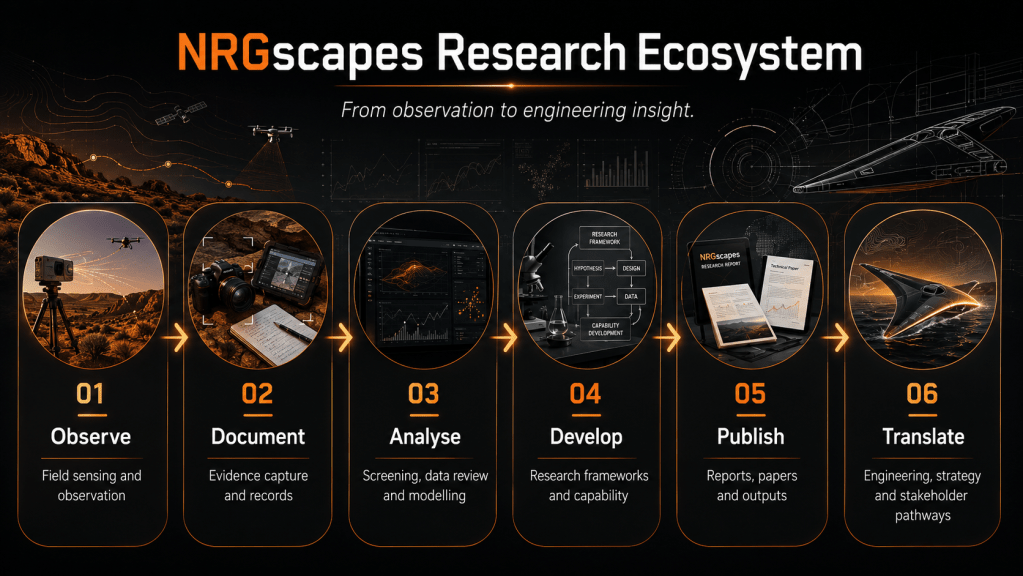
The NRGscapes LAB research pathway connects field operations, recorded anomalous phenomena, image and structural analysis, scientific synthesis, engineering translation and future trans medium craft architecture.
Each stage supports the next. Field operations provide the evidence base while recorded phenomena preserve the observational record. Image and structural analysis convert those records into measurable patterns. Scientific synthesis organises the findings into reports, frameworks and publications. Engineering translation identifies physical requirements, subsystem questions and boundary-field behaviours. The trans-medium craft pathway represents the long-term direction: moving from observation toward testable concepts, future validation and applied capability.
Engineering Translation
The research is progressing beyond observation toward practical engineering questions.
Current projects
View Projects [ -> ]
April 2026
Image analysis
April 2026
NHI interactions
april 2026
Science remains one
Featured Research Opportunity
Help Move Pilbara Reports From Observation to Measurable Evidence
Across the Pilbara, mine-site workers and remote-area observers are reporting unusual aerial and luminous phenomena. Film, photographs and witness material have been provided directly to NRGscapes LAB, adding to our own field observations and a growing level of public awareness.
NRGscapes LAB has developed a three-year field and analytical program to determine whether recurrent anomalous signatures can be measured, differentiated from conventional sources and independently assessed.
The exploratory work has been completed. The research pathway, instrumentation strategy, funding structure and expected outputs are now defined.

NRGscapes LAB is seeking funders, industry partners, research institutions and technology collaborators to help establish a dedicated Australian capability for structured anomalous-signature research.
Three-year cash funding requirement: AUD $393,558
Publication Showcase
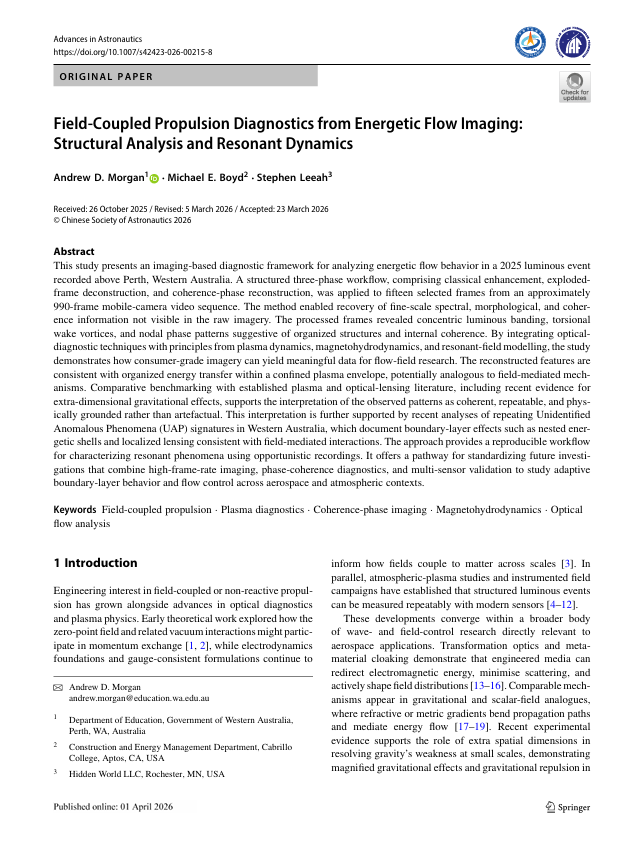


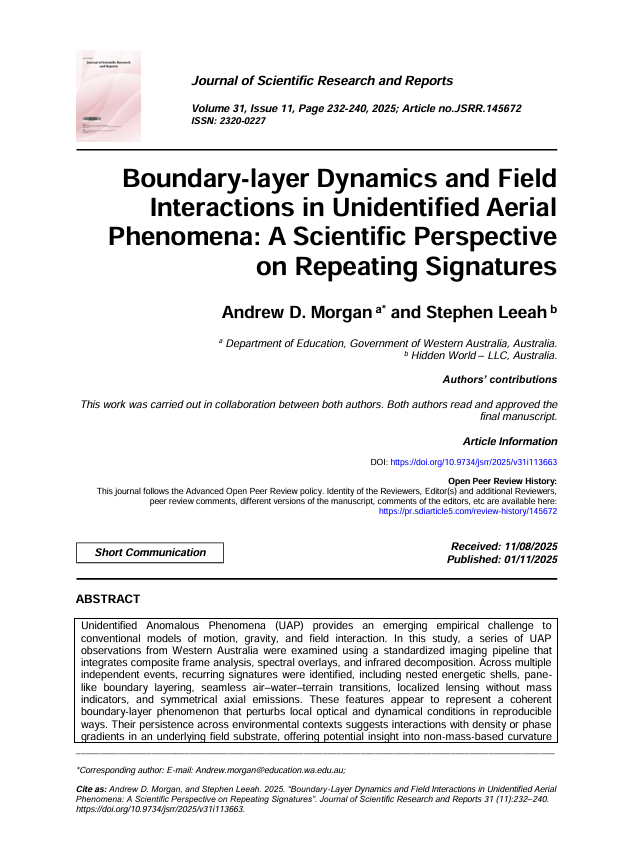
Featured Research
From Observation to Engineering Translation
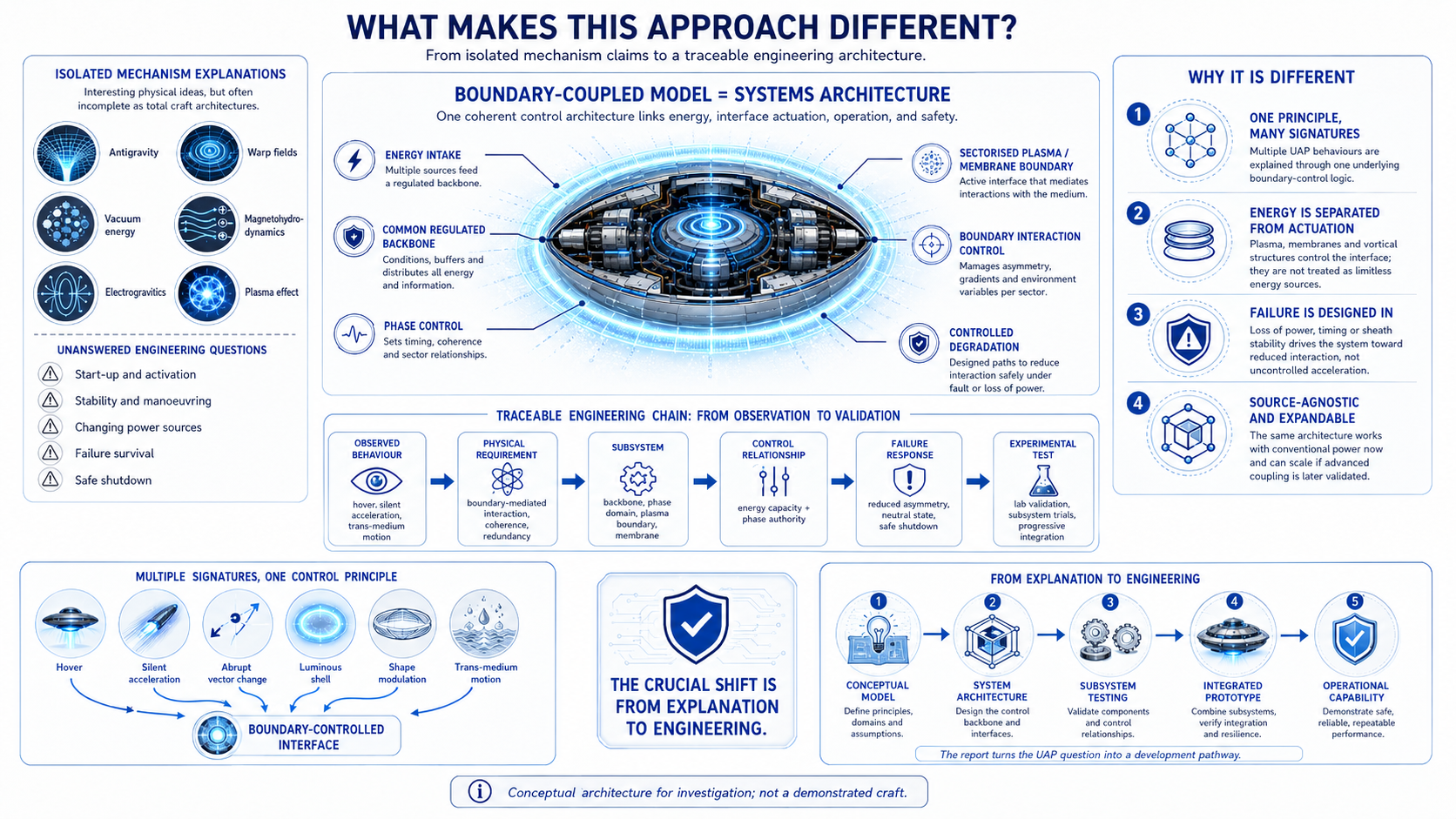
NRGscapes LAB’s featured research pathway moves beyond isolated observations and asks how recurring aerospace, environmental and field signatures can be translated into traceable engineering questions.
feature
The newly developed engineering framework shows how the portfolio connects observation, physical interpretation, subsystem design, control relationships, validation pathways and future prototype development. It does not present any single observation as proof of a complete technology. Instead, it uses recurring signatures as design constraints that can guide sensing, modelling, materials research, boundary-layer studies and staged experimental testing.
This is the core direction of NRGscapes LAB: moving from field evidence to structured analysis, from analysis to technical publication, and from publication to engineering translation.
Why this matters
The most important question is no longer only whether unusual phenomena exist. It is whether disciplined observation and analysis can reveal useful design constraints, sensing requirements, field behaviours or engineering possibilities. NRGscapes LAB is positioning its research portfolio around that question.
Explore Research
Browse Blog Posts by Categories
AI in Research (1) Anomalous Phenomena (1) Australian UAP Hisotry (1) Coexistence Readiness (1) Consciousness and Contact (2) Consciousness and Experience (1) Consciousness and Perception (1) Disclosure (8) Disclosure and Public Records (1) Disclosure and Society (1) Education and Learning (2) Empathy and Contact (1) Experiencer Research (3) Fieldcraft Engineering (2) Field Research (3) Forbidden – A Science of Secrets (2) Frontier Science (2) Future Science (1) Indigenous Knowledge (1) Mine-site Witnesses (1) NHI (1) Non-human Intelligence (4) NRGscapes LAB Updates (14) NRGscapes Research (2) Orb Phenomena (2) Outback Western Australia (1) Peer Review and Publication (2) Pilbara Field Research (1) Presence Conditioning (1) Publications and Books (2) Research Commentary (1) Research Communication (2) Research Funding (1) Research Integrity (1) Research Methods (2) Research Updates (1) Resources and Downloads (2) Science and Technology (1) Stakeholder Engagement (3) UAP Analysis (2) UAP Disclosure (2) UAP Field Science (2) UAP Research (13)
Latest Notes
VIEW All MEDIA [ -> ]
-
From the Turner Report to Western Australian UFO investigations, Australia’s UAP history is becoming part of the wider disclosure conversation.… Read more.
1–2 minutes -
NRGscapes LAB is continuing to develop the translation pathway between UAP observations, NHI encounter research and testable engineering questions. The… Read more.
1–2 minutes
Meet some of the people behind
NRGscapes LAB
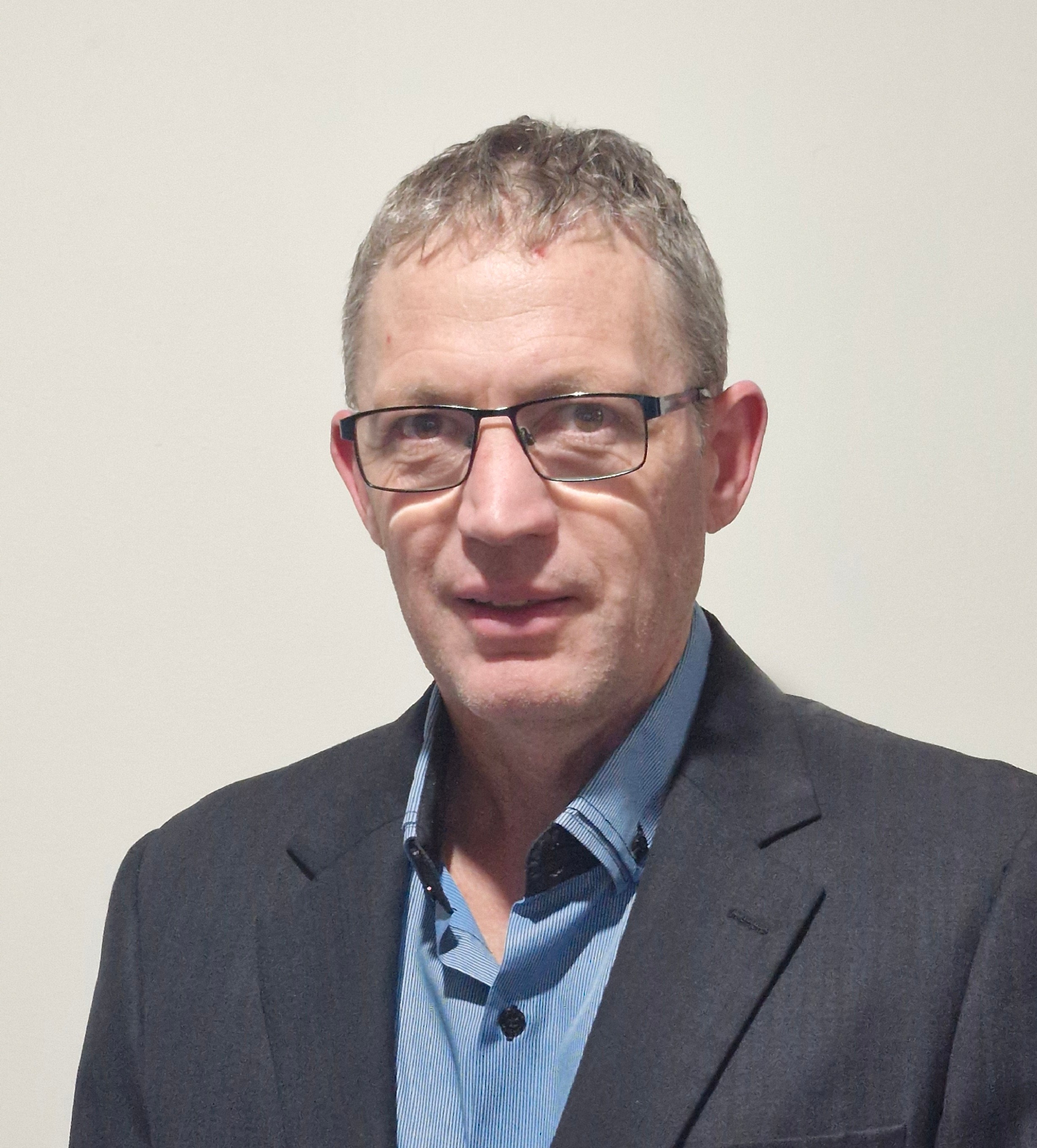
Dr. Andrew Morgan
Principal Investigator
Anomalous environmental and aerial signatures
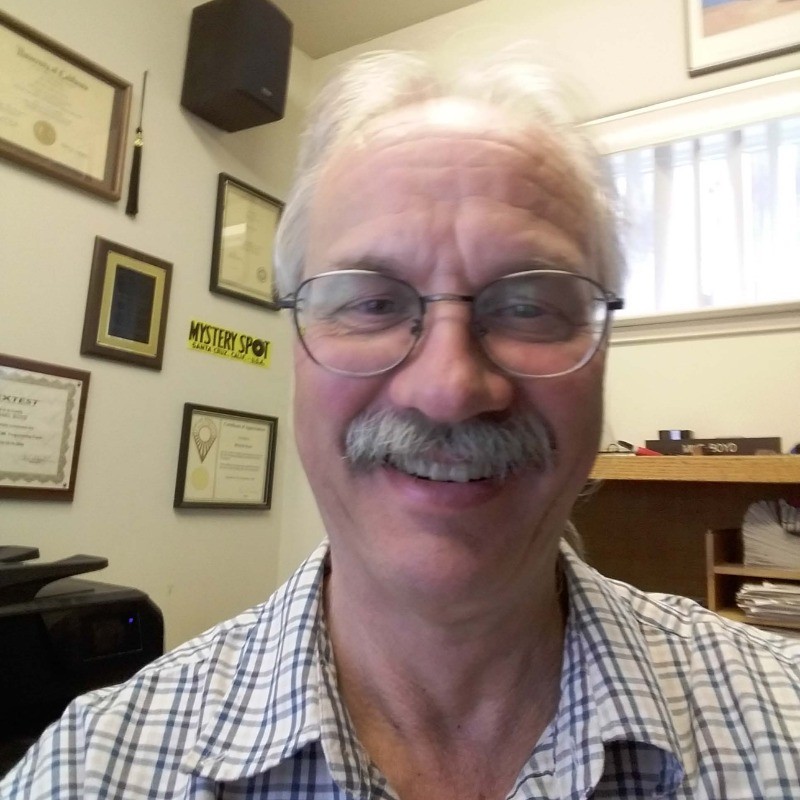
Michael Boyd
Physicist, engineer, archaeologist – Collaborator
Image formatting and interpretation

Robert Cardillo
AI and data integration – Collaborator
Information synthesis
Gerald Tedesco
Field operations – Collaborator
Equipment and data acquisition
John Tedesco
Field operations – Collaborator
Equipment and data acquisition
Funding & Partners
In collaboration with:
F.A.Q.
What’s the difference between Field Notes and Publications?
Field Notes are working-facing posts – method notes, reflections, and updates written for readability and practical reuse. Publications are formal research outputs (journal articles, reports, and working papers) with citation details and official links.
Can I reuse your datasets, protocols, or templates?
With approval, yes. If a dataset is restricted (e.g., sensitive locations or participant privacy), we’ll note how to request access.
How should I cite something from this site?
Use the citation information on the relevant page when available (publication citation, dataset version, or post date).
When in doubt, cite the page title, NRGscapes LAB, the year, and the URL.
How do I collaborate or request access to restricted materials?
Email info@nrgscapes.org with a short description of your project and what you need (e.g., dataset version, intended use, timeline). We typically respond within 3–5 working days.